Shrub Trimming Cecil County: Mistakes That Can Ruin Your Foundation Plantings
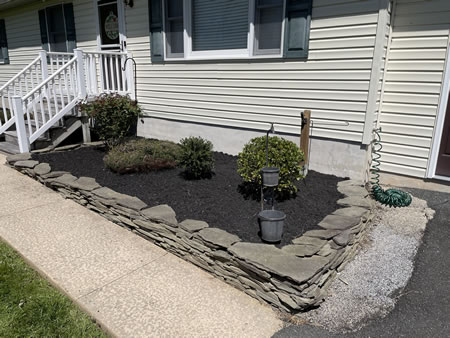
Your foundation shrubs frame the front of your home, so one wrong cut can echo for years. If you want a neat, long-lasting look without plant stress or damage to siding and walkways, partner with local pros who understand our Maryland climate and neighborhood styles. The easiest way to protect your curb appeal is to schedule professional shrub trimming with a team that knows how to keep roots, branches, and blooms balanced around your foundation.
What’s at Stake Around Your Foundation
Foundation plantings do more than look pretty. They guide rainwater away from walls, protect mulch beds from erosion, and keep windows feeling anchored. When trimming goes wrong, shrubs can trap moisture against siding, block vents, and make room for pests. In towns like Perryville, Elkton, North East, Rising Sun, and Port Deposit, the mix of river air and summer humidity makes it even more important to keep plants shaped for airflow and access.
Common Shrub Trimming Mistakes That Cause Lasting Damage
1) Shearing Everything Into Tight Balls
Shearing creates a hard shell of leaves and a hollow center. Light can’t reach the interior, so the plant drops inner growth and becomes a thin green crust. Over time you’re left with bare wood facing your house and weak outer shoots that scorch or break in wind.
Warning: Once a shrub hollows out, it may never fill back in evenly. Many homeowners end up ripping out plants years earlier than expected.
2) Cutting at the Wrong Time for Maryland Shrubs
Our area’s spring-bloomers set next year’s flower buds soon after they finish blooming. If they’re cut at the wrong time, you lose flowers the next season and stress the plant heading into summer heat. On the other hand, some evergreens push tender growth that burns in July sun if it’s clipped too late.
Good timing protects blooms, helps plants harden off before heat waves, and reduces water stress during Cecil County’s drier late summer spells.
3) Chopping Into Old Wood That Will Not Resprout
Many foundation favorites tolerate light to moderate cuts, but deep cuts into mature wood can leave permanent gaps. That means uneven shapes under windows and awkward dead patches that never green up.
4) Letting Shrubs Touch Siding, Steps, or Soil
Branches that rub vinyl or brick trap moisture and stain surfaces. Dense foliage against the wall reduces airflow and can hide carpenter ants or mice. Shrubs that sit directly on soil invite rot at the crown and create an easy bridge for pests to travel from mulch to your home.
5) Volcano Mulching Around the Trunk
Piling mulch against stems looks tidy for a week, then starts rotting bark and smothering roots. It also funnels water to the wrong place. A balanced bed with clean edges and the right mulch depth supports healthy shrubs and steers splash-back away from your foundation. If your beds need a refresh, pair your trimming visit with careful mulching service to protect stems and soil structure.
6) Ignoring Mature Size Near Windows and Walkways
Small shrubs can double or triple in a few seasons. When they outgrow the spot, heavy cuts become the only option and shape is lost. Oversized plants also block sightlines from porch lights and windows, which can be a security concern for homes in neighborhoods from Aberdeen to Havre de Grace.
7) Using Dull or Dirty Tools
Ragged cuts tear tissue, which dries and browns along the edge. Dirty blades can spread disease between plants. The result is a wave of leaf drop that makes shrubs look tired for weeks and more vulnerable in summer heat.
8) Topping and “Lion-Tailing” Hedges
Topping removes the strongest leaders and forces weak, upright shoots that flop with rain. Lion-tailing strips lower branches so all growth sits at the tips, turning shrubs into unstable pom-poms. Both mistakes push growth where you do not want it and shorten plant life.
9) Skipping Seasonal Cleanup After Trimming
Clippings left in beds trap moisture and become a pest hotel along the foundation. A proper follow-through clears debris, keeps drains open, and restores crisp bed lines. Pairing trimming with a light yard tidy helps your home’s exterior feel complete and uncluttered.
10) Trimming Without a Plan for Sun, Water, and Airflow
Random cuts can leave one side of a shrub over-dense and the other side sparse. That uneven canopy bakes in afternoon sun and sheds water straight onto your siding or downspout area. A plan keeps clearance consistent along walls, under windows, and beside steps so everything looks balanced in every season.
How These Mistakes Show Up Around Your Home
Homeowners in Perryville often first notice trouble as streaky siding where shrubs touch the wall. In Elkton and Rising Sun, it might be a hedge that looks full from the street but is bare inside when you peek behind the shell. In North East and Port Deposit, sloped driveways can funnel runoff through front beds, and poorly shaped shrubs can “catch” that water against the house.
The pattern is predictable: poor timing and heavy shearing cause thin foliage, then pests and mildew settle in, and finally the plant loses shape so badly it has to be replaced. Replacing mature shrubs is far more disruptive than maintaining them with careful, professional cuts.
When to Trim Shrubs in Maryland: What Pros Consider
Every species and site is different, and Maryland’s coastal weather swings matter. Professionals schedule work around bloom cycles, summer heat, and fall hardening so plants recover quickly. They also plan for community rhythms like graduation parties, summer travel, and back-to-school so your front entry is photo-ready when it counts.
- Spring bloomers near windows are shaped after their display so next year’s buds are safe and sightlines stay clear.
- Evergreens along sunny walls are timed to avoid tender new growth baking in July and August heat.
This kind of planning is built into quality shrub trimming work, so your beds look natural, not hacked-short or overstuffed.
Local Shrubs That Often Struggle Near Foundations
Boxwoods and hollies can get shell-like when over-sheared. Azaleas lose next spring’s color if they’re reduced too late. Yews fill windows fast and push against steps. Inkberry and hydrangea hold moisture in deep beds if not spaced and shaped with airflow in mind. None of these plants are “bad,” but in tight front beds they need thoughtful pruning to thrive.
- Boxwood: Can hollow out, then burn along the edges in late summer.
- Azalea: Bud loss and lanky regrowth after off-season cuts.
- Holly and Yew: Rapid size creep that crowds stoops and railings.
- Hydrangea: Heavy heads collapse into walkways if structure is weakened.
Pro tip: Right-sized plants plus careful shaping protect visibility under porch lights and keep walkways safer for kids and guests.
Why Hiring a Local Team Pays Off
Local crews read our weather and soil the way you read your calendar. They know how spring fog on the river settles in Port Deposit and how wind off the bay hits North East. That knowledge helps them keep lower branches open for airflow and shape tops so rain drips into beds, not onto your siding or stoop.
Working with GBB Lawn Care LLC means one coordinated plan for beds, hedge lines, and lawn edges. If mulch depth is off, we’ll recommend a quick tune-up through our mulching service. If leaves are building up behind shrubs, we’ll align your next yard tidy with our seasonal cleanup schedule so debris doesn’t sit against the foundation.
How to Tell It’s Time for Professional Help
You do not need to measure branch angles to know something’s off. Look for simple red flags that signal stress, crowding, or future damage to your home’s exterior.
- Branches touch siding, gas meters, heat pumps, or porch railings
- Windows feel boxed-in, or hedges look full outside but bare inside
- Mulch is piled against stems, or you see peeling bark at the base
- Front steps are partly blocked, or shrubs lean after heavy rain
- Pest trails or holes around dense, wall-hugging foliage
If any of these sound familiar, it’s a good time to choose our shrub trimming team to restore shape, spacing, and airflow before summer heat arrives.
Smart Sequence for a Fresh, Curb-Ready Look
In Cecil County neighborhoods, small tweaks done in the right order make a big difference. First, shrubs at the foundation are shaped for structure and clearance. Next, bed edges and mulch are refreshed to steer water away from walls and give that clean picture-frame finish. Finally, lawns are brought to a tidy, even height so the whole entry feels intentional. If you want a weekend-ready finish for guests or listing photos, our lawn mowing visit can be coordinated right after trimming.
Remember: fast, heavy cuts might look neat today but often cost you blooms, shape, and plant health tomorrow. Gentle, well-timed trimming protects both your shrubs and your home.
Ready for A Foundation-Friendly Refresh?
If you want reliable results without risking damage to siding, windows, or plant structure, schedule professional shrub trimming with a local crew you can trust. Many homeowners start by browsing shrub trimming cecil county providers, but the difference shows up on your front walk: healthier plants, cleaner bed lines, and a calmer, well-framed entry that lasts through the season.
Call GBB Lawn Care LLC at 443-350-0349 to plan your visit before the peak growing push. We’ll shape for airflow, protect blooms, and leave your foundation beds looking refreshed and ready for the Maryland summer. If you’re preparing for an event or market listing, tell us your date and we’ll time the work so the property looks its best when it matters most.
One last tip: keep a small clearance between shrubs and walls, and let our team maintain it during each visit. Your plants will breathe better, and your home will stay cleaner after storms.
Boost Your Home’s Curb AppealWith GBB Lawn Care In Perryville, Port Deposit, & Surrounding Areas