Overseeding After Aeration in Perryville, MD: The Step-by-Step Homeowner Checklist
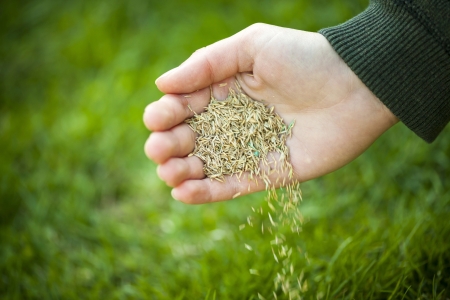
Overseeding right after aeration helps your lawn thicken fast and bounce back from summer stress. If you want that fuller look without the patchiness, start with professional aeration and then seed so new roots can anchor in open soil. For smooth results from day one, schedule overseeding with our overseeding service and use this checklist to guide your aftercare at home.
If you’re comparing options or want local guidance, explore overseeding in Perryville, MD with GBB Lawn Care LLC for a plan that fits our climate and your yard’s traffic, shade, and soil.
Why Overseeding After Aeration Works in Perryville
Aeration opens the soil so air, water, and nutrients can reach the root zone. Those small cores and channels also improve seed-to-soil contact, which helps more seed germinate instead of drying out or blowing away. Pairing seeding with core plugs is common around the Susquehanna because compacted clay soils need pathways for roots to expand.
If your lawn feels hard underfoot or dries out quickly on sunny slopes near Port Deposit or along the river, adding lawn aeration before seeding is usually the best first step.
Your Four-Week Aftercare Checklist
This timeline shows what healthy progress looks like for cool-season turf in Cecil County. Weather can shift fast here, so follow the care notes your GBB Lawn Care LLC tech gives you and adjust to actual conditions.
Week 1: Moisture and Protection
- Keep the top inch of soil evenly moist. Think light, frequent watering so the seedbed never dries out between cycles.
- Avoid heavy foot traffic. Use walkways and keep pets off newly seeded areas whenever possible.
- Watch low spots after rain. If water pools, let it drain before watering again.
Early sprouting may appear within several days once soil stays warm and moist. Resist the urge to rake or disturb the surface. A gentle leaf blower on the lowest setting is fine around edges if leaves fall, but do not push debris across new seed.
Local callout: In Perryville and nearby Havre De Grace, pop-up storms can arrive with strong wind off the water. If a downpour is forecast during the first 7–10 days, pause irrigation during and right after the storm so seed isn’t washed from thin spots. Resume light cycles once the surface is moist, not saturated.
Week 2: Rooting Begins
- Maintain consistent moisture while seedlings establish. Begin stretching time between cycles slightly as roots form.
- Keep mower and equipment off the lawn. Rolling wheels can press seedlings flat before they anchor.
- Spot-check shaded areas. They may stay wet longer than sunny strips along driveways and sidewalks.
By the end of week two, you should see a green haze filling gaps. Some areas will sprout earlier than others, especially where soil warms faster. That’s normal.
Week 3: First Mow Timing
Do the first cut only after the new grass is tall enough and well rooted. Most cool-season seedlings are ready when they reach normal mowing height and resist a light tug. Use sharp blades, take off no more than one-third of the height, and stay slow around edges. If the lawn still looks sparse or uproots easily, wait a few more days and try again.
Plan on collecting clippings for this first pass. After that, mulch mowing is usually fine unless the surface is still very tender.
Week 4: Build Strength and Shift the Watering Pattern
Transition from light, frequent watering to fewer, deeper soakings so roots chase moisture down. This helps new turf handle late-season warmth and dry stretches. Continue regular mowing at the right height so sun reaches new plants and the canopy stays even.
Avoid weed control until the new grass is mature. Many products aren’t meant for fresh seedlings. If you have questions about timing, ask your GBB Lawn Care LLC technician to review your yard’s specific needs.
What “Good Progress” Looks Like
Every lawn fills in at a slightly different pace. Here’s how to gauge success without overthinking it:
By the end of week one, the surface should stay damp and stable. By week two, you’ll see fresh shoots in thin patches. Around weeks three and four, color and density even out, especially in sunny front yards along Aiken Avenue or similar streets with steady light. Heavily shaded corners may need more time or a second light pass later in the season.
Local Factors That Change the Pace
Heat spikes and cold snaps: Early fall is the prime window here because soil stays warm while nights cool off. If a hot stretch returns, water lightly to prevent the top layer from drying between cycles.
Soil texture: Many Perryville lawns include compacted clay. Aeration plus overseeding helps, but extremely hard ground may need more than one season to reach full thickness.
Shade and airflow: Near mature trees or fenced backyards, seedlings may stay damp longer. Let the surface dry slightly between waterings to discourage disease.
Seed-To-Soil Contact: Why It Matters
Germination depends on seed actually touching soil. Aeration creates tiny pockets where seed settles, improves moisture around each kernel, and shields sprouts from wind. That’s why pairing these services delivers a fuller lawn faster. If you haven’t scheduled seeding yet, talk with our team about the timing that fits your yard and the local forecast. You can learn more about our approach to thickening turf on our overseeding page.
Watering Schedule Without The Guesswork
The goal is simple: keep the surface evenly moist early, then gently stretch the interval as roots grow. Sprinklers should feel like a steady drizzle at first, not a downpour. As seedlings mature, fewer but deeper soakings help build drought tolerance. If you miss a cycle on a hot, breezy day, add a short catch-up to keep the top layer from crusting.
Not sure how much is enough after a rain? Press your finger into the soil. If it feels cool and slightly sticky at the top but not soggy, you’re on the right track.
Protecting New Grass From Traffic And Debris
New plants are tender. Keep kids’ play and pet runs to one side of the yard each week so traffic spreads out. Blow or lift leaves off the surface rather than dragging them. After the first mow, normal activity can ramp up a little at a time. If you host a fall gathering, lay temporary paths or use a side yard so fresh turf near the patio stays intact.
After The First Cut: What Comes Next
Once you complete that first gentle mow, stay consistent. Mow at the proper height, water deeply but less often, and hold off on aggressive weed treatments. If a couple of thin pockets remain, your GBB Lawn Care LLC tech may suggest a small touch-up later in the season or adjustments next spring. Consistency over the next few weeks is what locks in your results for next year.
Pair With The Right Services For Lasting Results
Aeration and overseeding are the backbone of fall renovation here. If you skipped aeration this year and notice runoff or hard soil, bookmark our lawn aeration page and plan it for your next window. For seasonal pointers on mowing cadence, cleanup, and edging that frames your new grass, skim our latest local articles at lawn care tips.
Ready For A Thicker Lawn In Perryville, MD?
Stay focused on moisture, gentle mowing, and patience. That’s how new seed becomes a dense, healthy lawn before winter. If you want a professional plan that fits your yard and schedule, call GBB Lawn Care LLC at 443-350-0349 or explore our overseeding service to get started this season.
Boost Your Home’s Curb AppealWith GBB Lawn Care In Perryville, Port Deposit, & Surrounding Areas